East Village's Two Timelines: Odo East Village and the Tompkins Square Park Pool
August 13, 2026
August 13, 2026
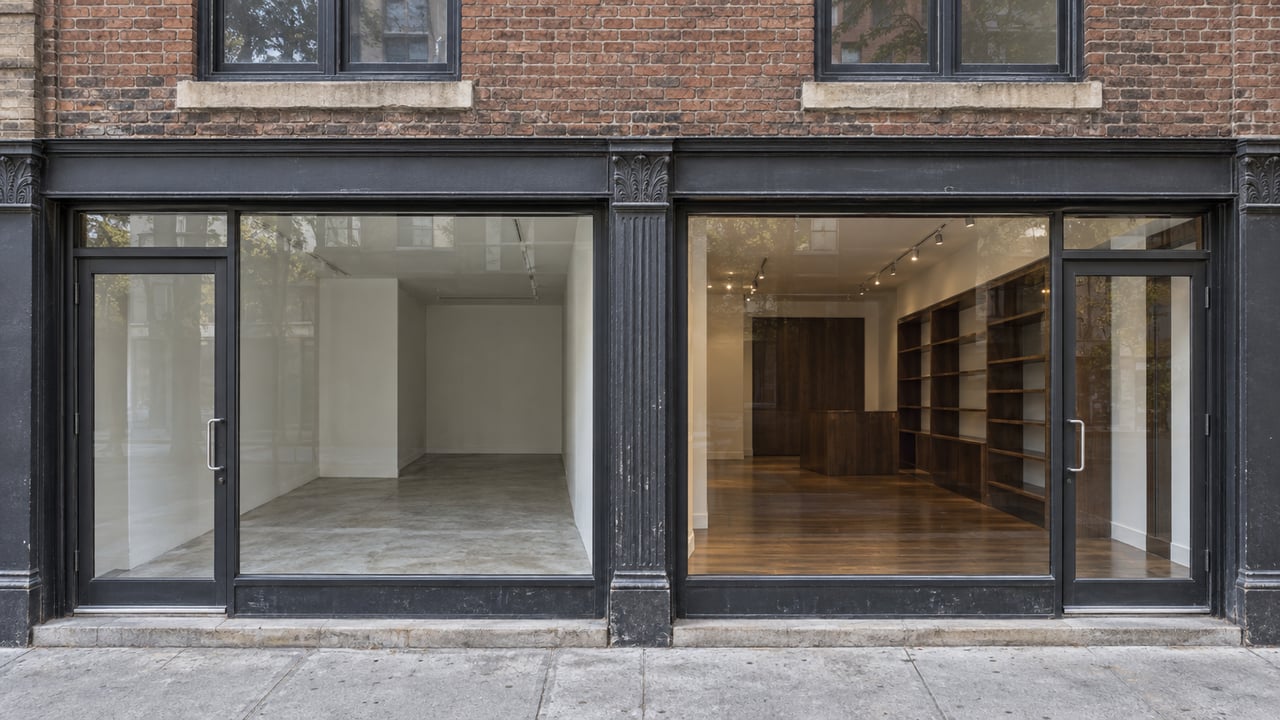
According to EV Grieve, Minca Ramen closed its doors on East Fifth Street on July 14, 2025, after 21 years pouring Tokyo-style broth for a neighborhood that had grown up on it. Owner Shigeto Kamada, in his seventies, was ready to retire. Within weeks, the lease had passed to chef Hiroki Odo, and by the following month his group was already in front of Community Board 3's liquor license committee. By February 2026, according to Resy, the old ramen counter had become Odo East Village, a two-Michelin-starred chef's new kaiseki-izakaya concept, one that its own site describes as the first of its kind in Manhattan.
Ramen to Michelin technique, in about seven months.
Two blocks away, inside Tompkins Square Park, the state handed the city $6 million back in 2024 to replace the aging elevated swimming pool with a new one at ground level. As of this year, construction still hasn't started.
That gap is the actual story here, more than any single opening or closing. The East Village doesn't move at one speed. Storefronts turn over on a private clock set by leases, capital, and an operator's appetite for risk. Public amenities run on a different clock entirely, one that follows its own project timeline. If you live here, both clocks are ticking on the same three or four blocks, and knowing which one you're watching changes what you should expect to see change around you this year.
The Minca-to-Odo handoff is worth walking through slowly, because the speed is the point. Odo already runs a small group of spots under Odo Hospitality: the flagship Odo near Flatiron, which holds two Michelin stars, plus Hall, a wagyu burger and cocktail bar, and The Gallery by Odo, a hybrid restaurant and art space. That existing infrastructure, staff, suppliers, a design team that already knows how to build an Odo interior, is likely what let the group move from a shuttered ramen shop to a full opening in under a year.
The new space keeps Minca's compact footprint. A chef's counter seats around fourteen, with a handful of small tables filling out the rest of the room. As Resy reported, Odo has described the concept as "kaiseki izakaya," pairing the formal, seasonal structure of a kaiseki meal with the looser, drink-forward energy of a Japanese tavern. It's a deliberate step down in formality from his Flatiron flagship, and a deliberate step up from Minca's counter-service ramen.
For a longtime Minca regular, the emotional read on this is complicated. Twenty-one years is a long tenure for any small restaurant in this neighborhood. But from a pure real-estate-cycle standpoint, the speed of the turnover says something specific: when an operator with capital and a reputation wants a space, and a landlord wants a paying tenant, a full concept change can happen inside two seasons.
Odo isn't the only recent example of hospitality money moving through the neighborhood, though not every deal closes at the same pace.
Put side by side with Odo, these two make a useful point: private capital doesn't automatically get a fast track. B Scene has the operator, the license application, and a specific address, and it remains in the pre-lease stage months later.
Now set that against Tompkins Square Park itself. In 2024, New York State allocated $6 million specifically to replace the park's elevated pool, a structure that had aged out of usefulness, with a larger pool built at ground level. The funded, approved project is located within the same ten and a half acres where the drag festival Wigstock and the Charlie Parker Jazz Festival have run for decades. And as of this year, ground hasn't broken.
Here's the comparison stated plainly:
| Project | Funded or Committed | Status as of 2026 |
|---|---|---|
| Odo East Village (former Minca space) | Lease signed mid-2025 | Open, serving dinner Wednesday through Monday |
| Tompkins Square Park pool replacement | $6 million allocated in 2024 | Construction not yet started |
A single restaurant build-out and a municipal capital project aren't a perfect apples-to-apples comparison, obviously. Restaurants answer to a landlord and a liquor authority; city parks projects answer to a design and procurement pipeline that runs through several agencies before a shovel touches dirt. But the practical experience for someone who lives on Avenue B is the same either way: one visible thing changed in months, while construction on the funded pool project had not yet started.
There is a piece of the neighborhood that runs on neither clock, and it happens to sit inside the same park as the pool project. The Charlie Parker Jazz Festival returns for its 34th year on August 28 through 30, 2026, split between Harlem's Marcus Garvey Park and Tompkins Square. The Tompkins Square finale runs Sunday, August 30, from 3 to 7 p.m., with saxophonist Ravi Coltrane headlining alongside the Billy Hart Quartet, drummer and producer Kassa Overall, and vocalist Vanisha Gould. It's free, it's outdoors, and it happens at the same time every summer regardless of what's under construction, contested, or newly opened around it.
That kind of reliability has its own value for a neighborhood in flux. Superiority Burger, the Alphabet City institution chef-owner Brooks Headley has run for more than a decade, occupies the same category: a fixture that keeps serving its burnt broccoli salad and rotating desserts from pastry chef Darcy Spence while restaurants around it open, close, and change hands. Not everything here runs on a lease cycle or a construction timeline. Some things just stay.
If you live in the East Village right now, the honest takeaway isn't that the neighborhood is "changing fast" or "changing slow." It's that those two speeds coexist on the same blocks, and the pace you notice depends entirely on what you're watching. A storefront with the right operator and the right lease can flip in under a year. Construction on the funded public project had not yet started. And a park festival that predates most of the businesses currently operating around it will show up again this month exactly on schedule.
Watching those three timelines side by side, rather than treating every new restaurant sign or scaffolding tarp as evidence of the same trend, is a more accurate way to read what's actually happening here.
We spend a lot of time at Alva Property Advisors paying attention to these small, specific shifts, because they're often the earliest signal of what a block will look and feel like in a few years, long before it shows up in a listing description. If you're curious about what any of this means for a specific building or block in the East Village, we're happy to talk it through. Schedule a Confidential Consultation whenever you're ready.
Stay up to date on the latest real estate trends.
At Alva Property Advisors, we're building a team of driven real estate professionals who are passionate about delivering exceptional results. Join our New York-based team and gain access to industry-leading support, innovative marketing, and opportunities for long-term growth.
THE ALVA PROPERTY ADVISORS TEAM
654 Madison Ave 5th Fl
New York NY 10065